Visit us on Facebook or Twitter:

Facebook Log w50 GrayBack  Twitter Logo w50 GrayBack 

Like our Facebook page from here:


All news

ProStar+ Test Drive

February 21, 2011

By: Steve Sturgess

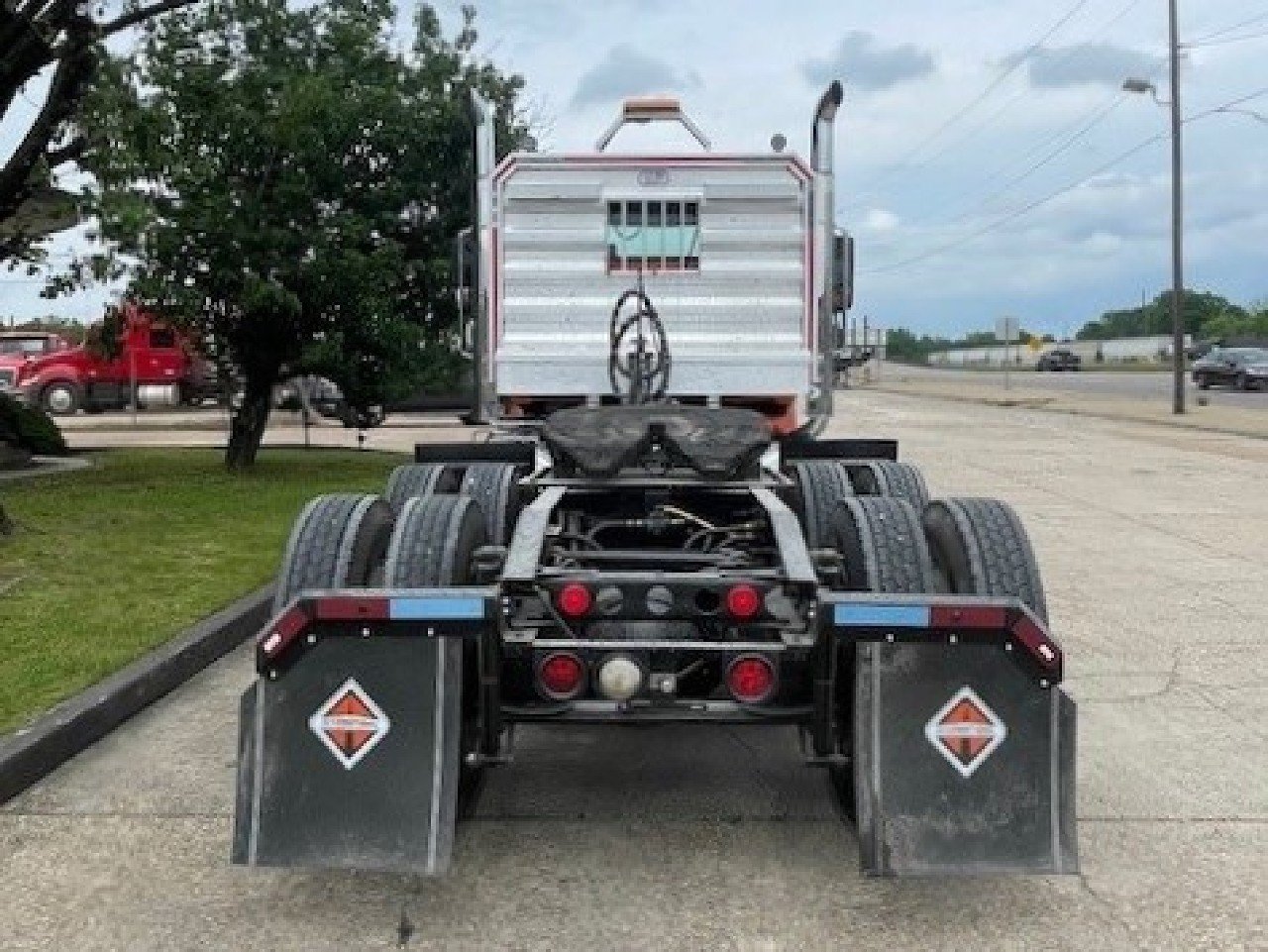
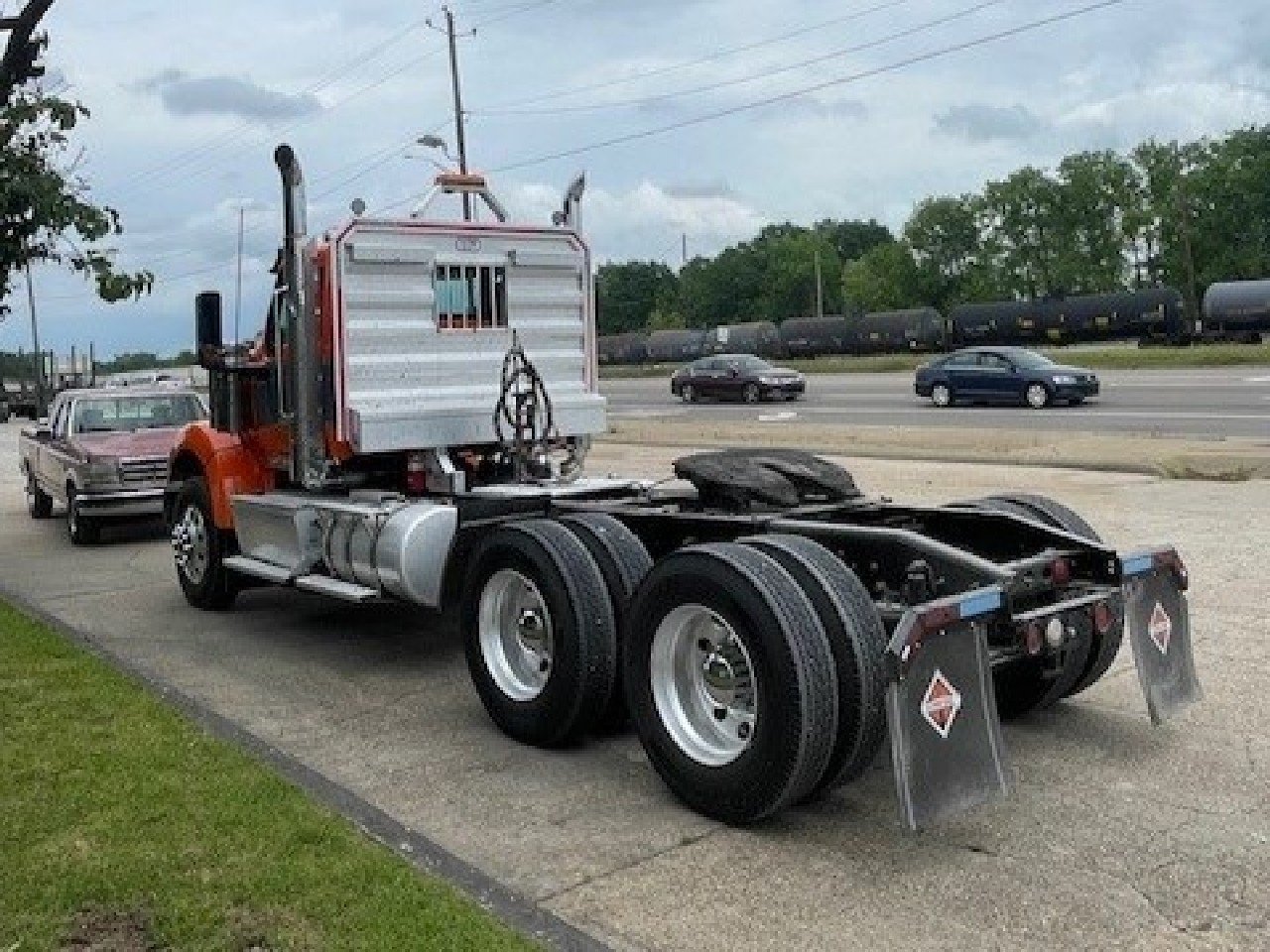
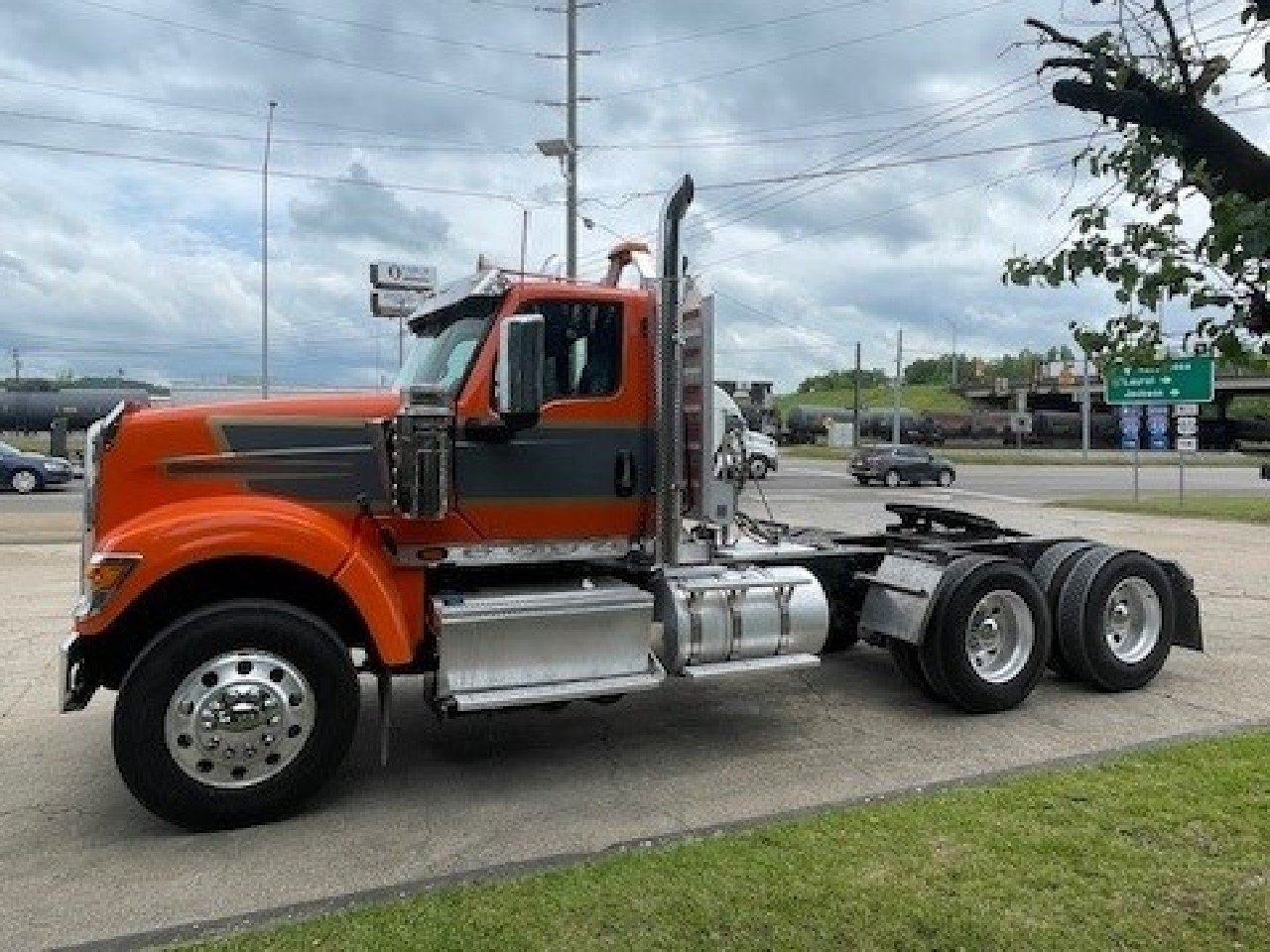
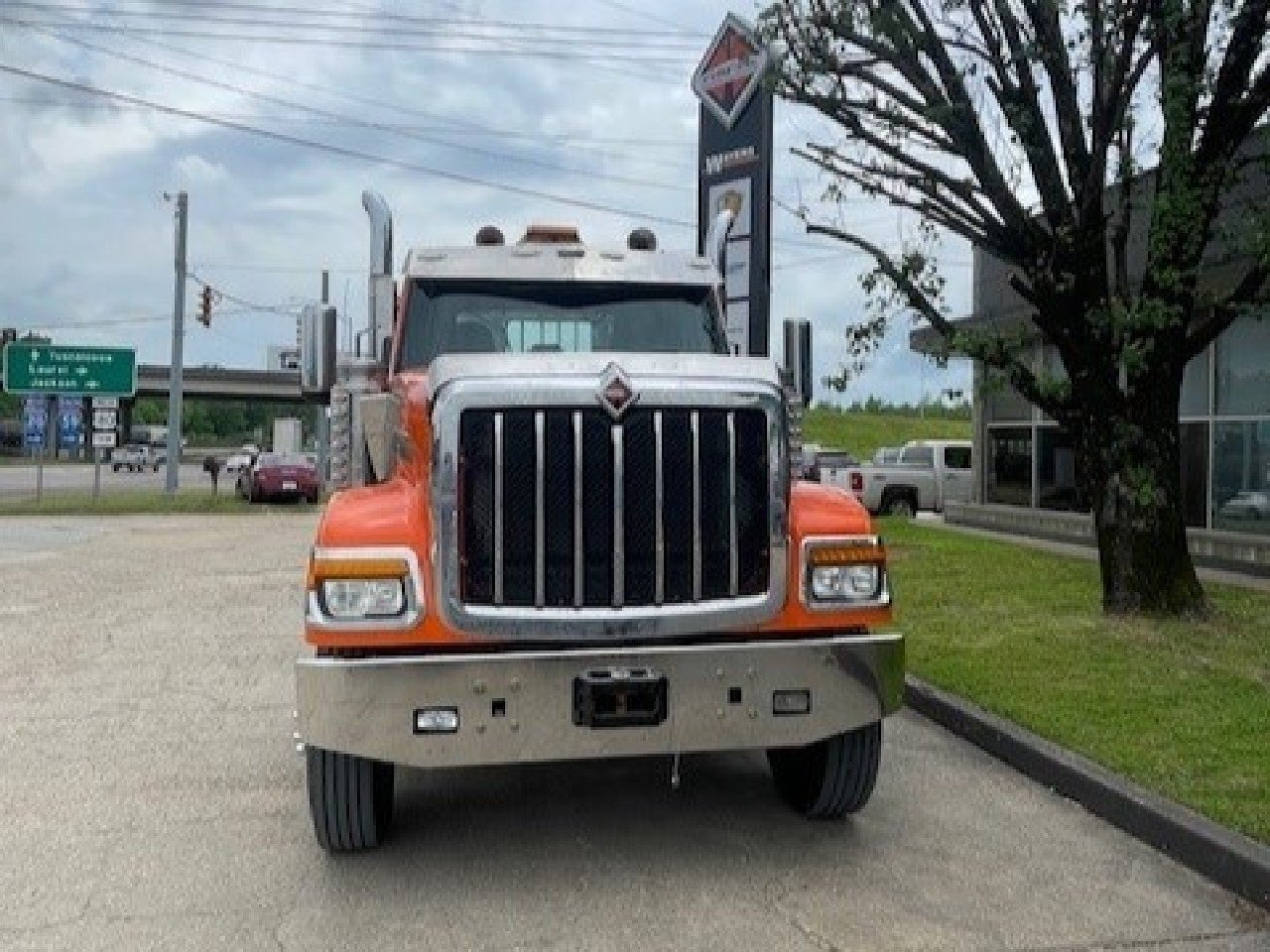
With the installation of the EPA2010 engines and the engineering requirement of accommodating them, the International ProStar has evolved into the ProStar+, unveiled last year during the Mid-America Trucking Show.

If you see one rolling down the road — and chances are you will, as the trucks are getting into the hands of eager customers with the New Year — it'll most likely have a 13-liter International MaxxForce engine.

That's because all Internationals in the truck lineup for the 2011/2012 model year have MaxxForce diesels. For the big trucks, these are the 11- and 13-liter engines that have been coming off the line since mid 2010, as well as the 15-liter, due to be available early this year.

International is positioning the 13-liter to be the mainstream engine, especially in over-the-road applications. It is the bigger of the two big-bore, International heavy-duty engines already introduced and has been the focus of sales efforts so far.

Both the 11- and 13-liter are derived from engines originally developed by the German truck and engine maker MAN, sharing the compacted graphite iron material for the blocks, the one-piece head and the rotating components in terms of design and materials. But while early engines were built off some MAN components, today's production engines are all-International, with components sourced from other Navistar plants or suppliers. 

While the heavier engine parts are derived from the very successful MAN designs, the combustion, air handling, exhaust and engine controls are all Navistar and unique to these North American engines, which are being built in Huntsville, Ala.

Like all International MaxxForce engines, these heavy-duty diesels meet EPA 2010 emissions regulations using Advanced EGR (exhaust gas recirculation). This has been Navistar's technology choice, allowing the company to meet its objective of compliance with the 2010 emissions regulation without any customer interaction. This, says the company, is in contrast to the other 2010 emissions technology — selective catalytic reduction (SCR) — that requires drivers fill an additional tank on the vehicle with diesel exhaust fluid in order to be compliant.

For this reassessment of the MaxxForce 13 and a chance to review the ProStar+, Navistar lined up an exclusive drive of a brand-new ProStar+ with the 13-liter, rated 475 horsepower and 1,700 pounds-feet of torque.

This is a very respectable output for an engine that is actually only 12.4 liters. It gets there using series tur-bocharging with two-stage intercooling.

The test was only a short 300 miles, but the loaded trailer and 78,000-pound gross combination weight gave the truck a workout, even though the route from the engine plant in the Chicago suburb of Melrose Park to Rockford and back doesn't have any serious hills.

The Truck

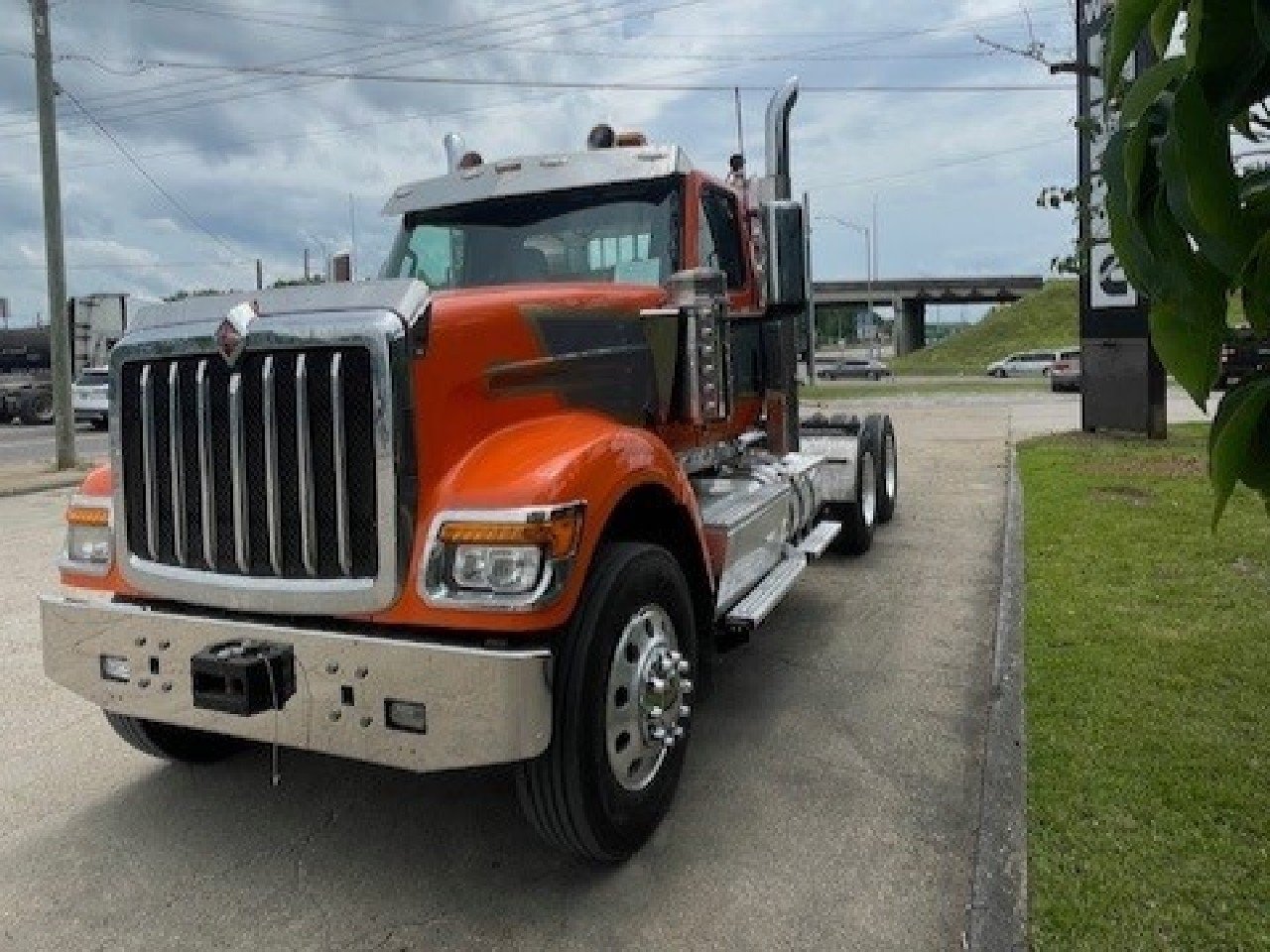
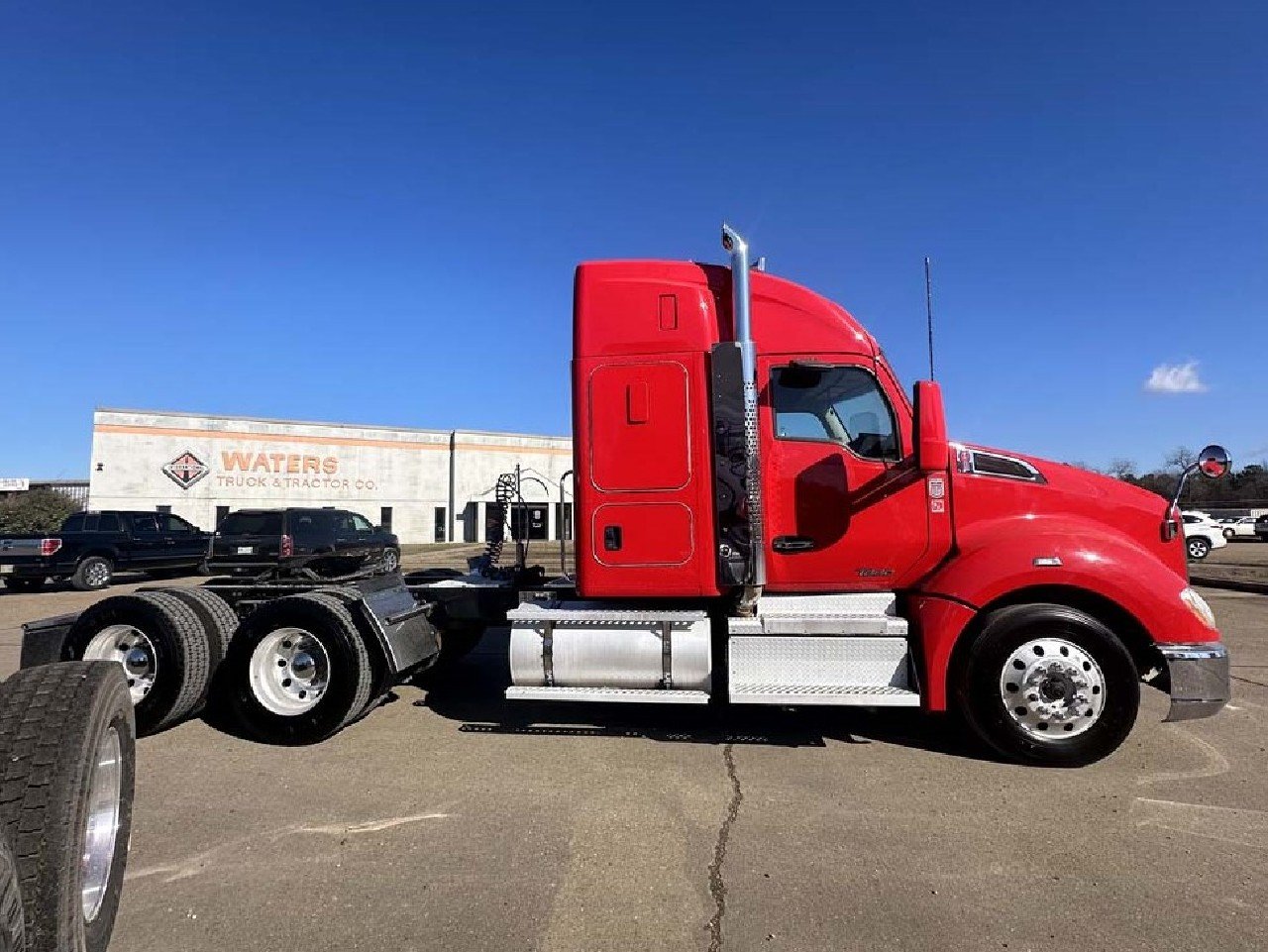
Along with the EPA 2010 engine, ProStar+ gets a few changes that upgrade its wind-cheating performance and provide a few eye-pleasing and rattle-free updates to the interior.

The additional aerodynamic tweaks are about chasing the last few tenths of a gallon to close the gap between the fuel economy claims of the SCR camp and the whole vehicle economy of the International solution. One early customer in Salt Lake City reports his first of the new International trucks are within 1/10 mpg of the SCR 2011-model-year trucks he is also running.

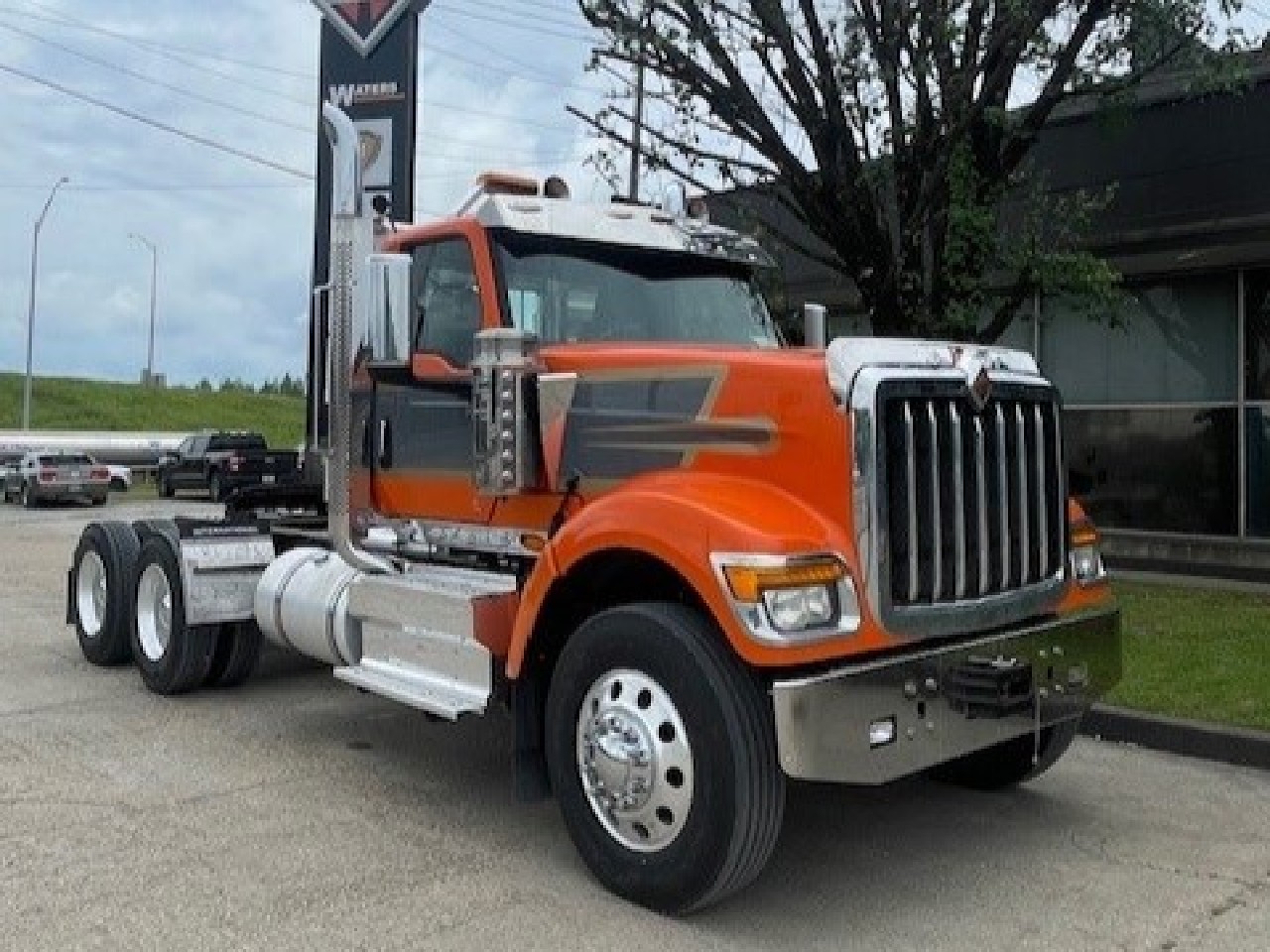
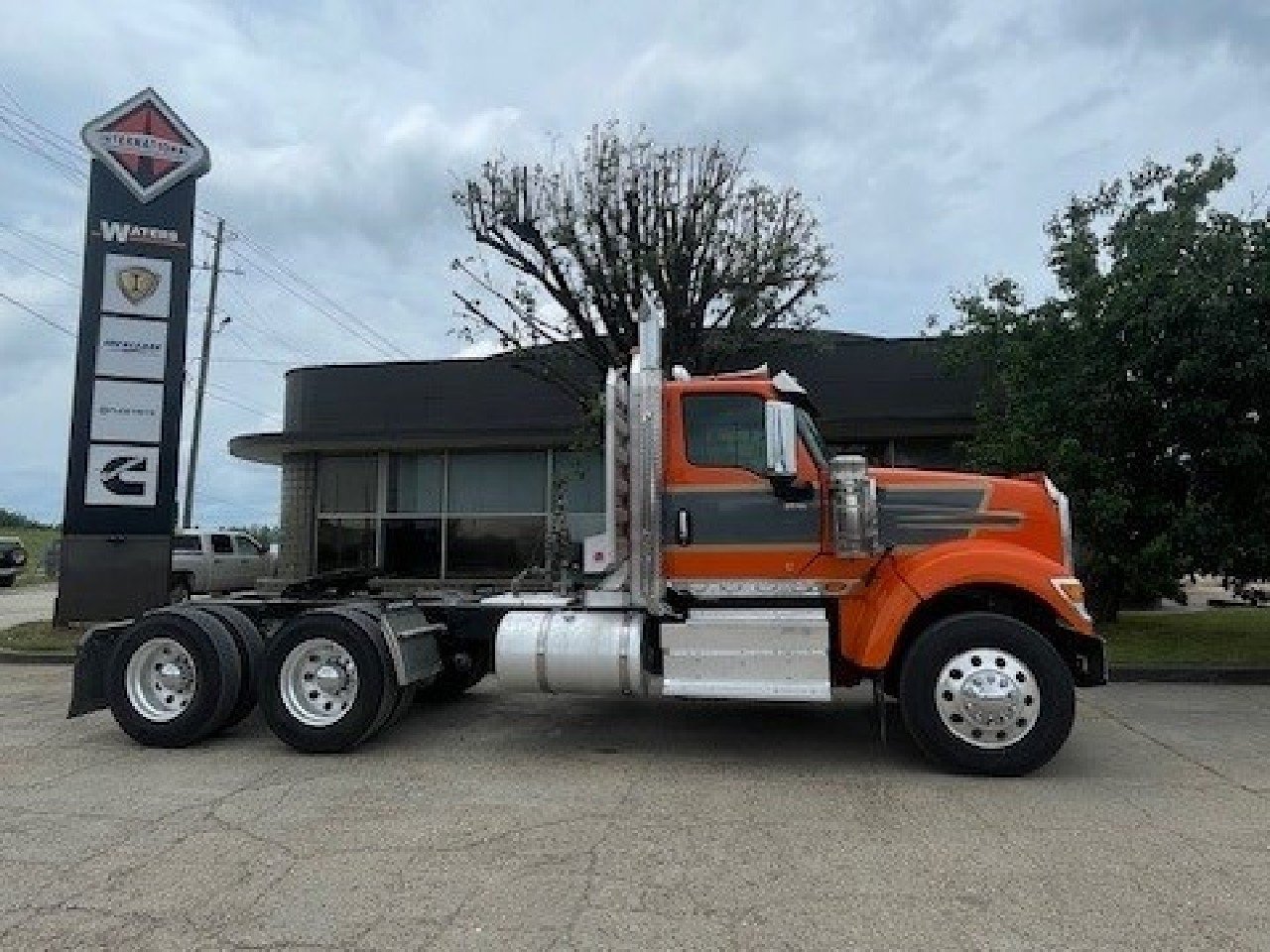
Cosmetically there is little difference between the ProStar and the “plus” model, which is not surprising. The ProStar model is only a couple of years old, and it was an outstanding design when it debuted at the Mid-America Trucking Show in 2006. At that time we previewed the new truck and admired the elegant way the sleeper styling integrated with the clever “platform” cab that now is used on trucks all the way from the new TerraStar Class 4 right up to the LoneStar premium Class 8.

On the sleeper models there's a styling line that continues the visual sweep from the cab doors and windows, which also adds stiffness to the side panels to resist mechanical or road vibrations.

Similar complex pressing stiffens the back-of-cab and carries the International name across the width of the cab. The sleeper has two roof heights: HiRise and SkyRise. The test unit featured the taller option, SkyRise, which opens up the roof area and makes a top bunk very usable.

The floor is interesting, too. It also has the stiffening pressed in. The floor covering is specially designed with ribs and blocks to exactly match the floor profile, eliminating any voids and contributing to the interior quietness that is one of the ProStar+ 's best attributes.

Another trick feature, this time up front, is the unique bumper assembly. It is actually made of four parts, two external pieces — bright chrome on this truck — and two backing structures that give the bumper its strength. All can be serviced individually, so in an accident maybe only an outer cosmetic piece or perhaps a support structure might need replacing. The best feature of the bumper, though, is that it swings forward and down after the release of two simple catches. This makes it very easy to step in ahead of the steer tires to get at the engine and chassis check and fill points at the curb side.

On the other side of the engine, translucent tanks for coolant and windshield wash allow for easy checking. Typically thoughtful for this model, the windshield wash has been designed so that when the low level warning appears on the dash, the container will take a full 2 gallons, keeping drivers from the need to carry half-full jugs around in the baggage compartments.

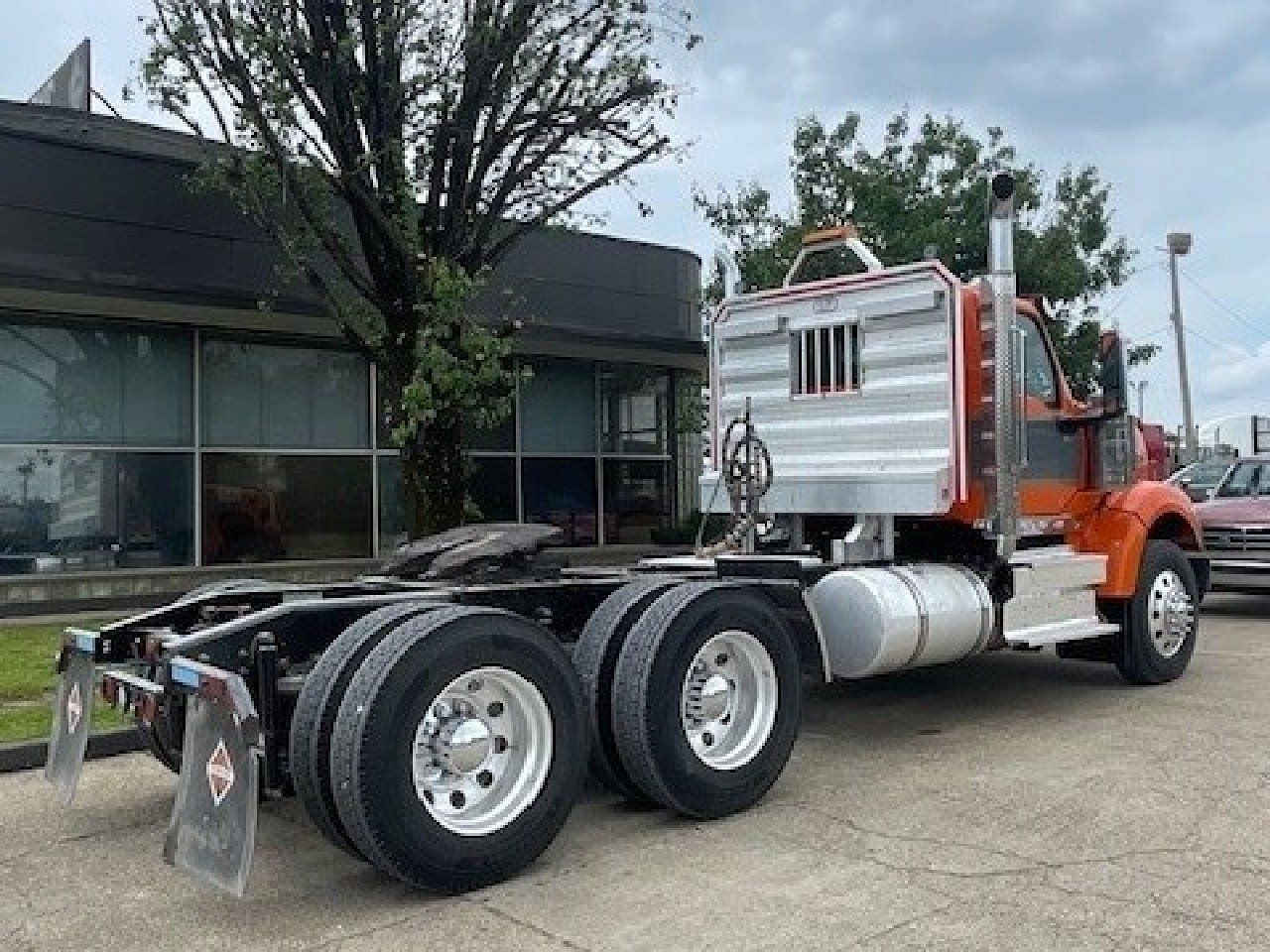
Another trick maintenance feature is the quickly removable rear side skirts. A lever on the back side rotates a bar that retains the lower mounting points. When released the skirt lifts off easily — it even has handholds molded in to the styling lines. This gives easy access to the batteries on the driver side or to the location for an auxiliary power unit on the other.

Under the Hood

The hood is easy-tilt. Underneath is the 475-horse-power MaxxForce 13 on our test unit.

Over the years we have been tracking the development of the big-bore MaxxForce engines, their configuration has changed and simplified. Earlier models had a heat exchanger on top that looked like it would hamper access, though clever design made it easily removable. However, it is now been relocated, making the engine even easier to access.

The cooling package ahead of the engine now is a multi-layered stack of interstage cooler, air conditioning condenser, air-to-air charge cooler, high-temperature exhaust-gas cooling circuit and then the conventional vehicle radiator. It's a modular stack of cooling components that have a progression from coolest to hottest temperatures.

Contributing is the low weight of the 13-liter (and the 11-liter) engines at 2,400 pounds. Add the fact that the engine position has been set back in the longer-nose 122-inch-BBC ProStar+ to the same as the 113-inch tractor, and there's a 600-pound saving on the steer axle. International people like to point also to the fact there's no 400 pounds for the after treatment equipment that the SCR engines demand, to give a total weight savings of 1,000 pounds on the chassis.

Gearing was 3-45 to one, which gave a very satisfactory 62 mph at 1300 rpm in overdrive top gear. The wide torque range of the 13-liter — it will lug down to 1,000 or even lower —worked very well with the Eaton 10- speed in this test truck. A shift at the optimum 1200 rpm brought engine speed up 300 rpm, making it a very flexible set-up while still keeping the engine in the sweet spot for good performance and economy.

The Cab

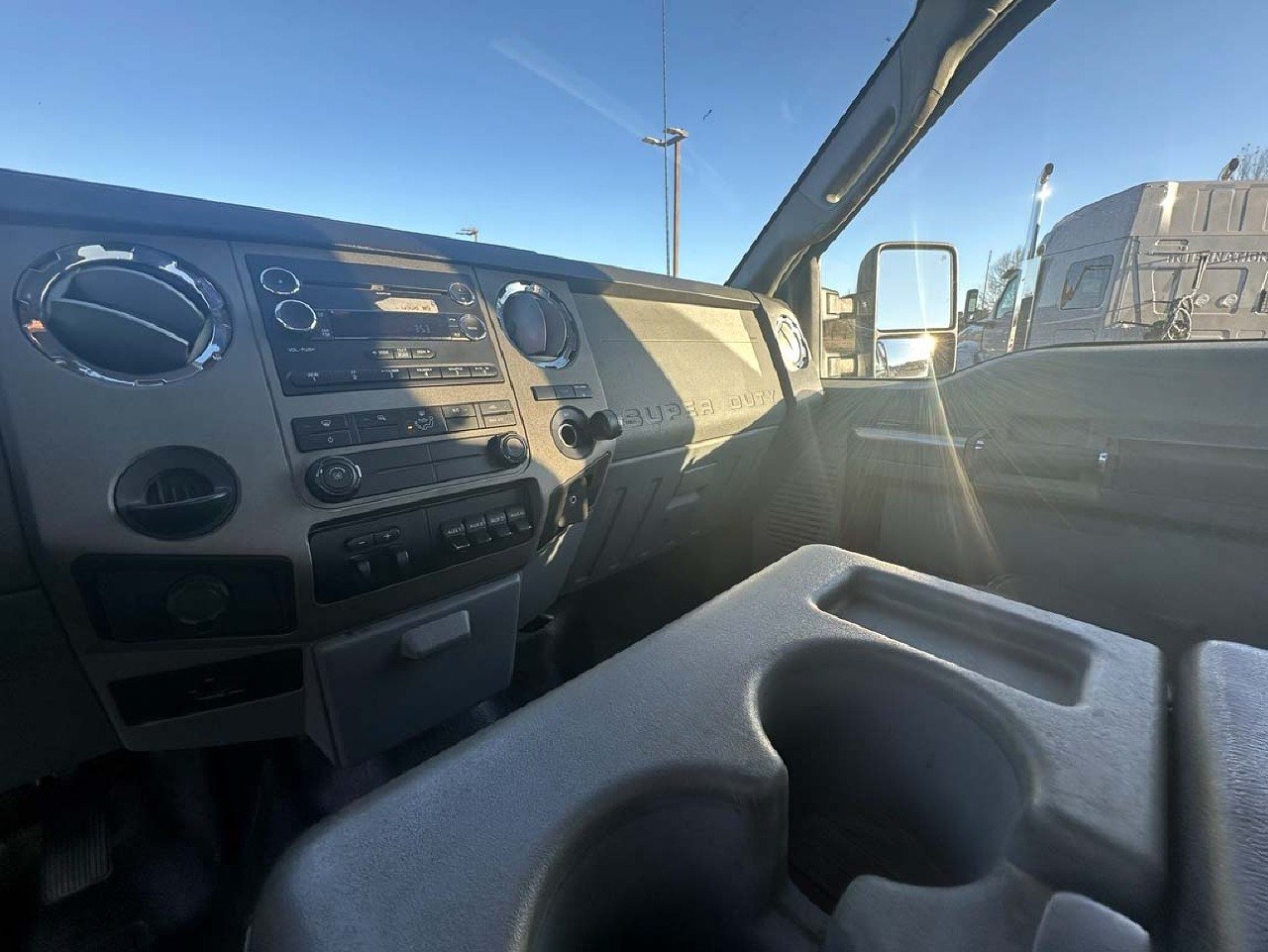
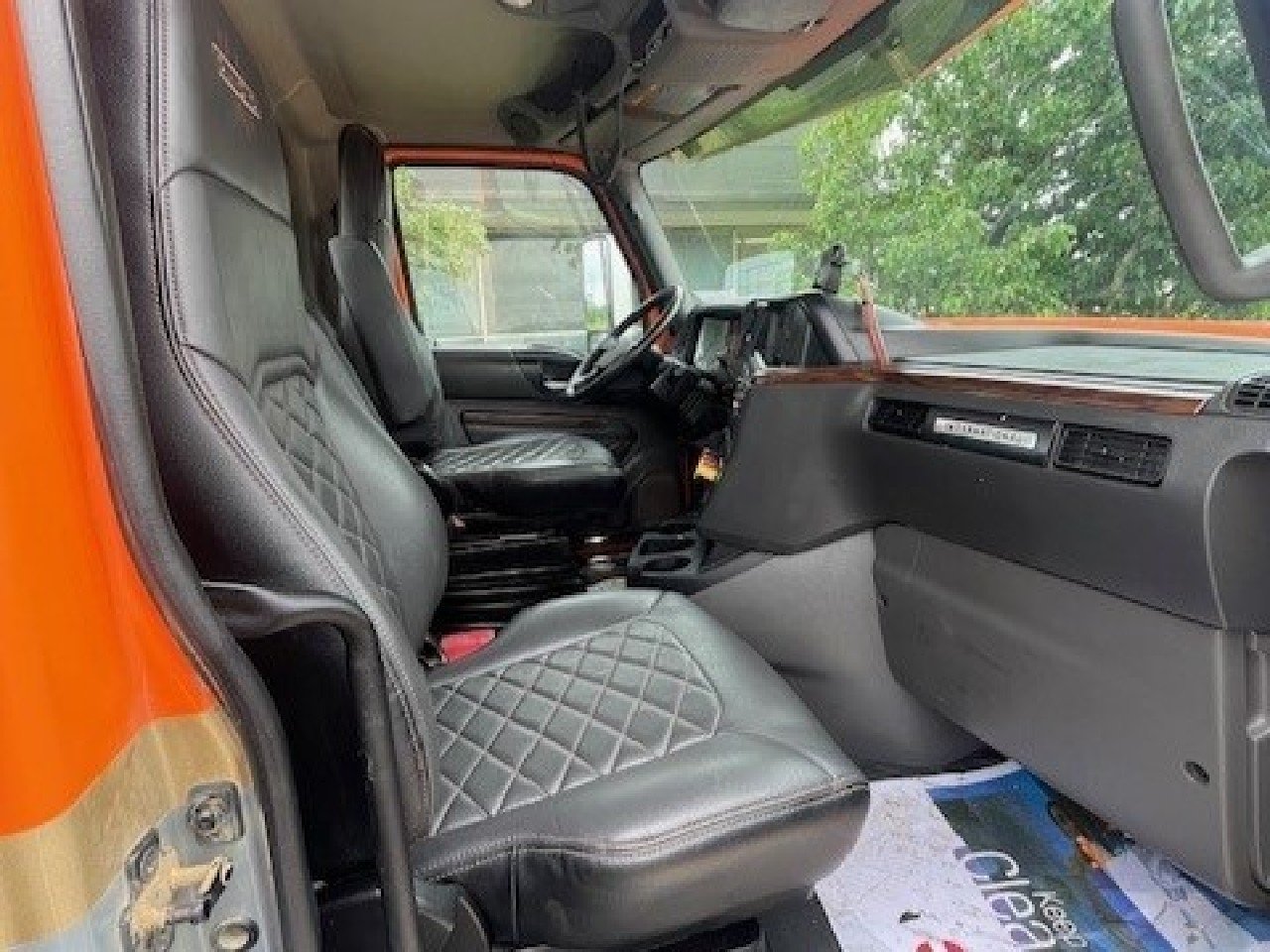
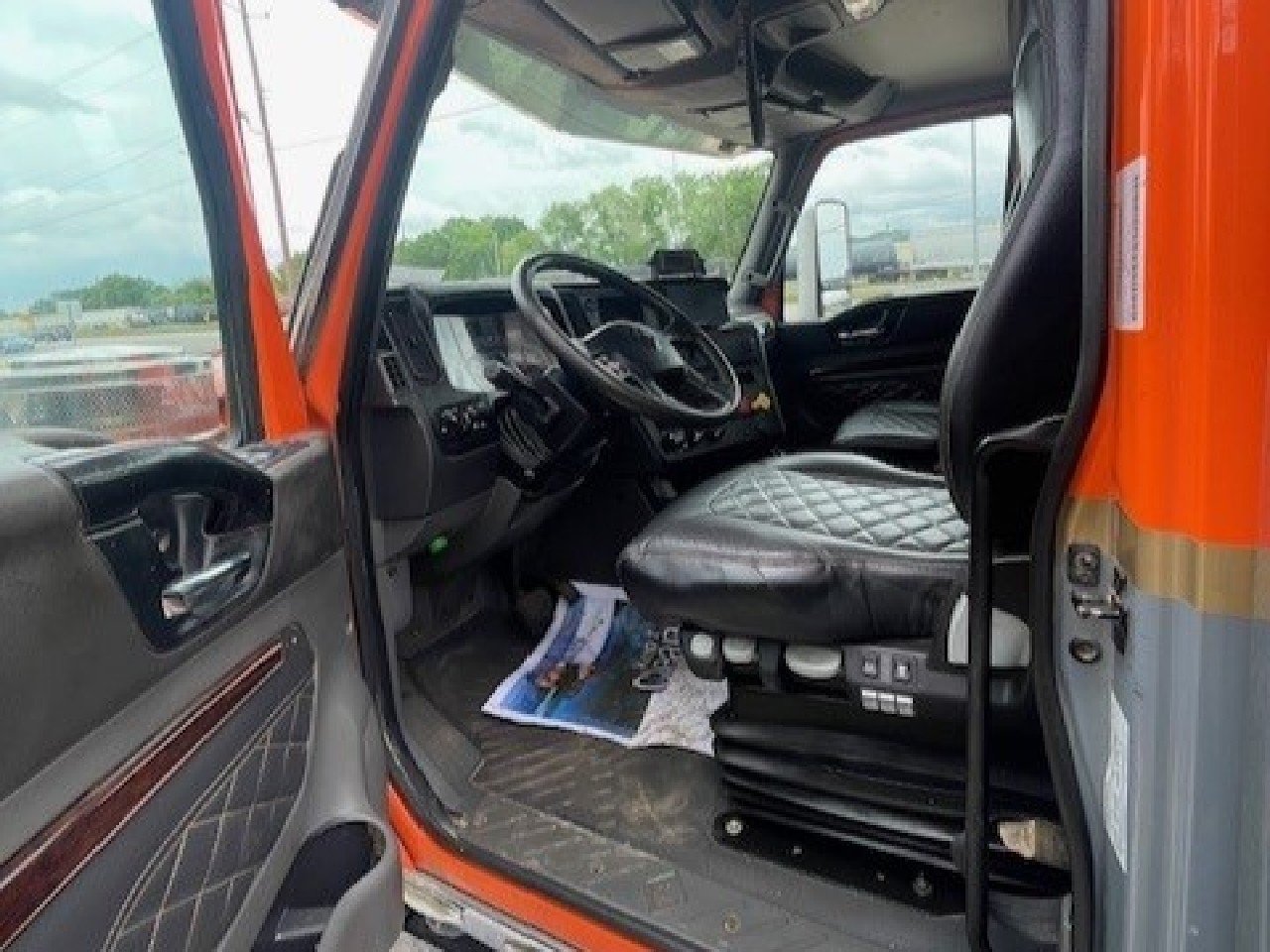
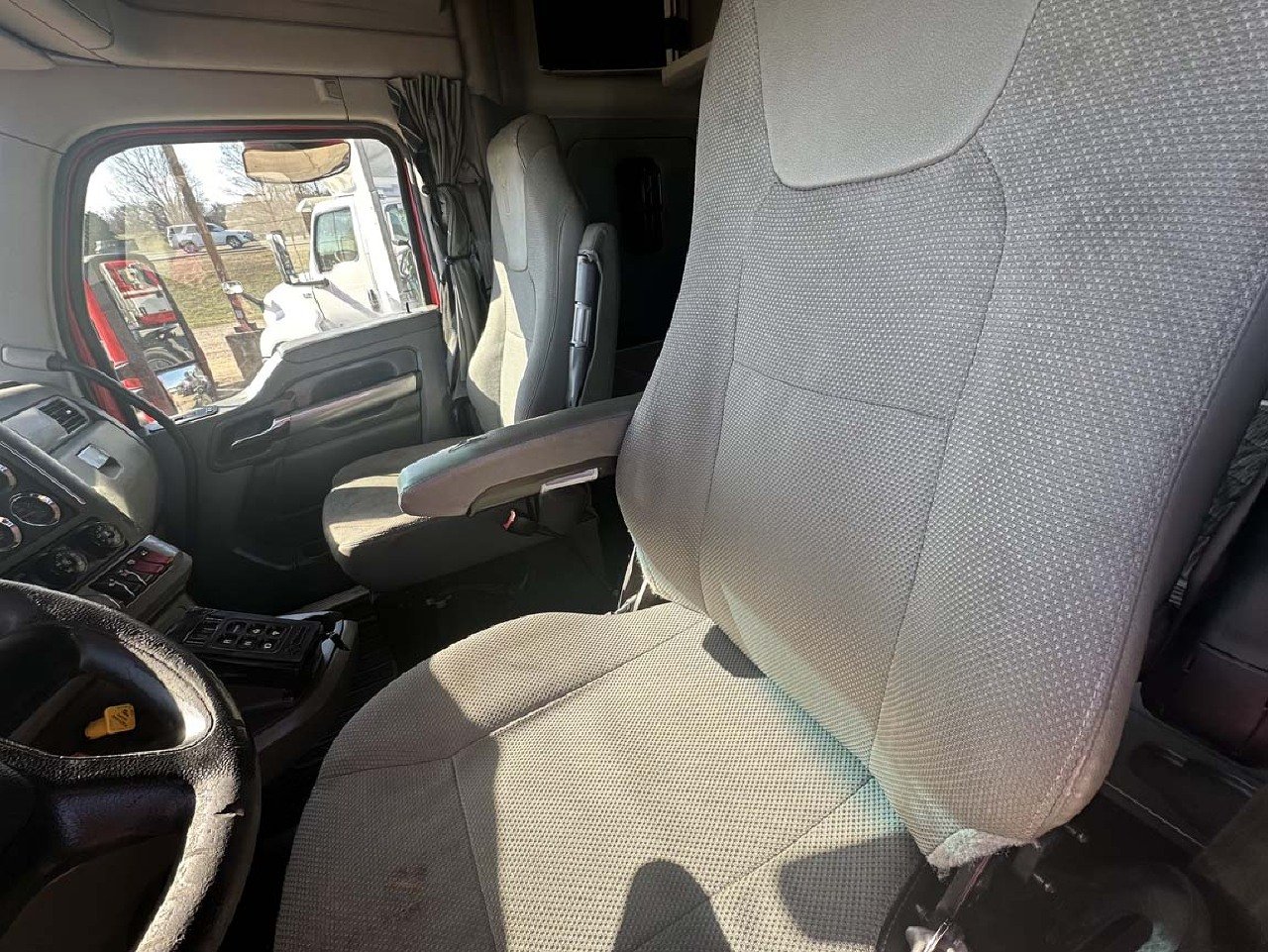
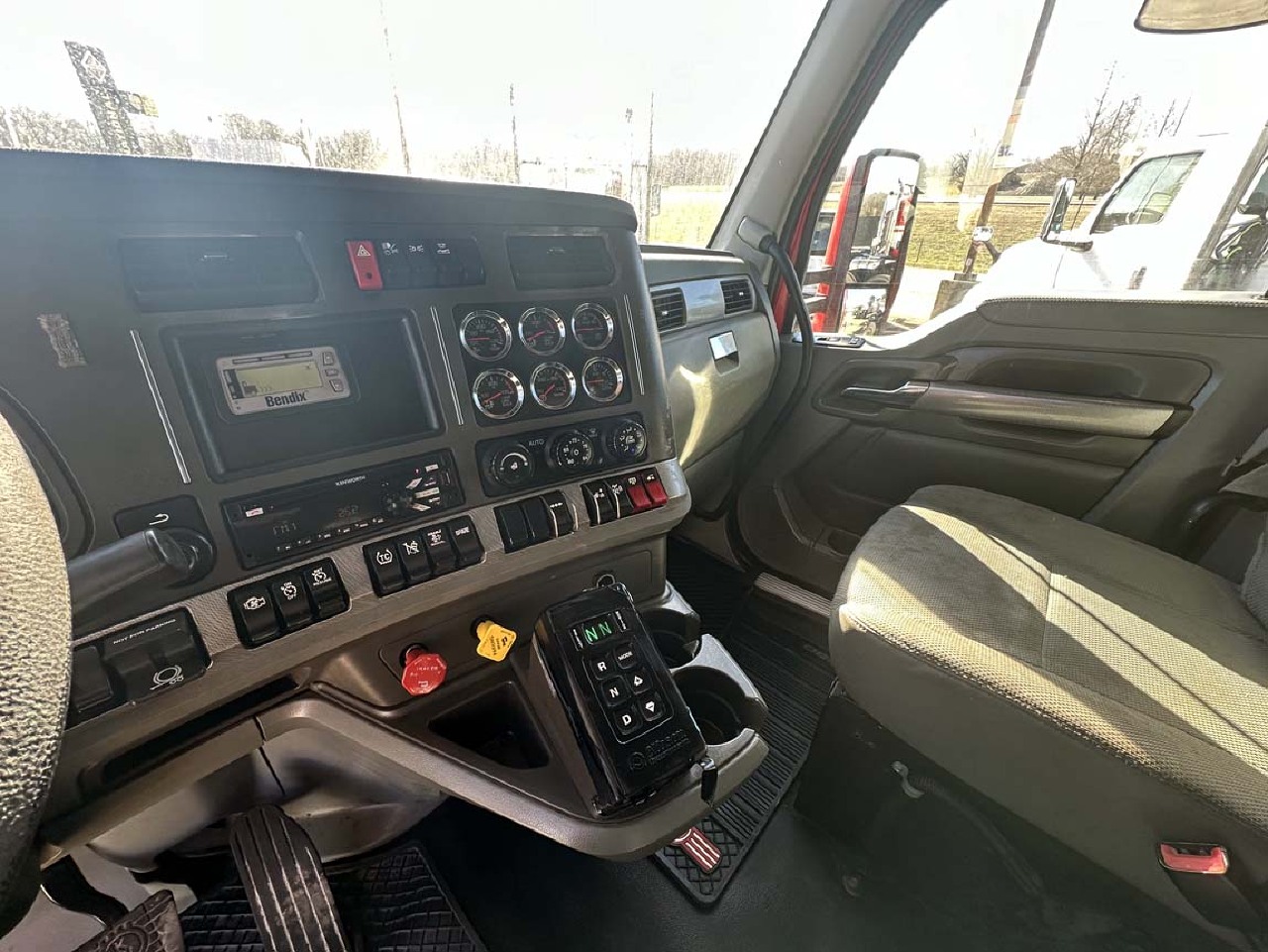
There's an easy climb up to the cab. Once in the driver's seat you quickly appreciate that this is an undeniably handsome interior, with light and dark grays for the trim and nice wood accents that come with the higher series package. For ProStar+, changes are more under the skin to enhance durability. The neat wood surrounds for the dash still complement the attractive ivory-faced instruments to make it a very agreeable whole. In the past, we've found these gauges are very evenly illuminated at night, when the faces seem to darken to a charcoal to contrast with the excellent illumination for the numbers and the gauge pointers.

There's a tilt and telescope steering column topped by an 18-inch steering wheel that on this test truck carried the essential switches between the four spokes. Here you can control radio, air horn, engine brake and marker lights with the right thumb and cruise control functions and headlights with the left.

An array of warning lights in the panel top and center is complemented by a driver information panel lower in the dash. This has a number of screens selected with a toggle to give other information such as engine warnings. Off to the right on this truck was a useful cubby that provides the real estate for the optional secondary information panel that has truck and trip related displays. We have found this option nice and very easy to use.

Another good feature is the rotary controls for the HVAC system. I found the heater well able to keep up with the 20-degree cold of this test, and the defroster dealt well with the big windshield. The position of the dash air registers was good for ventilation. We have also found the flow more than adequate during summer months, too.

At the base of the wing dash are cup holders — or more correctly giant gulp holders. In the driver's holder a regular sized cup of coffee just disappears! A removable ashtray makes for an added holder, too.

Storage is good, with pockets on the doors and overhead bins on the header. The seats are mounted to long slides, allowing for some very big as well as small drivers.

In the Sleeper

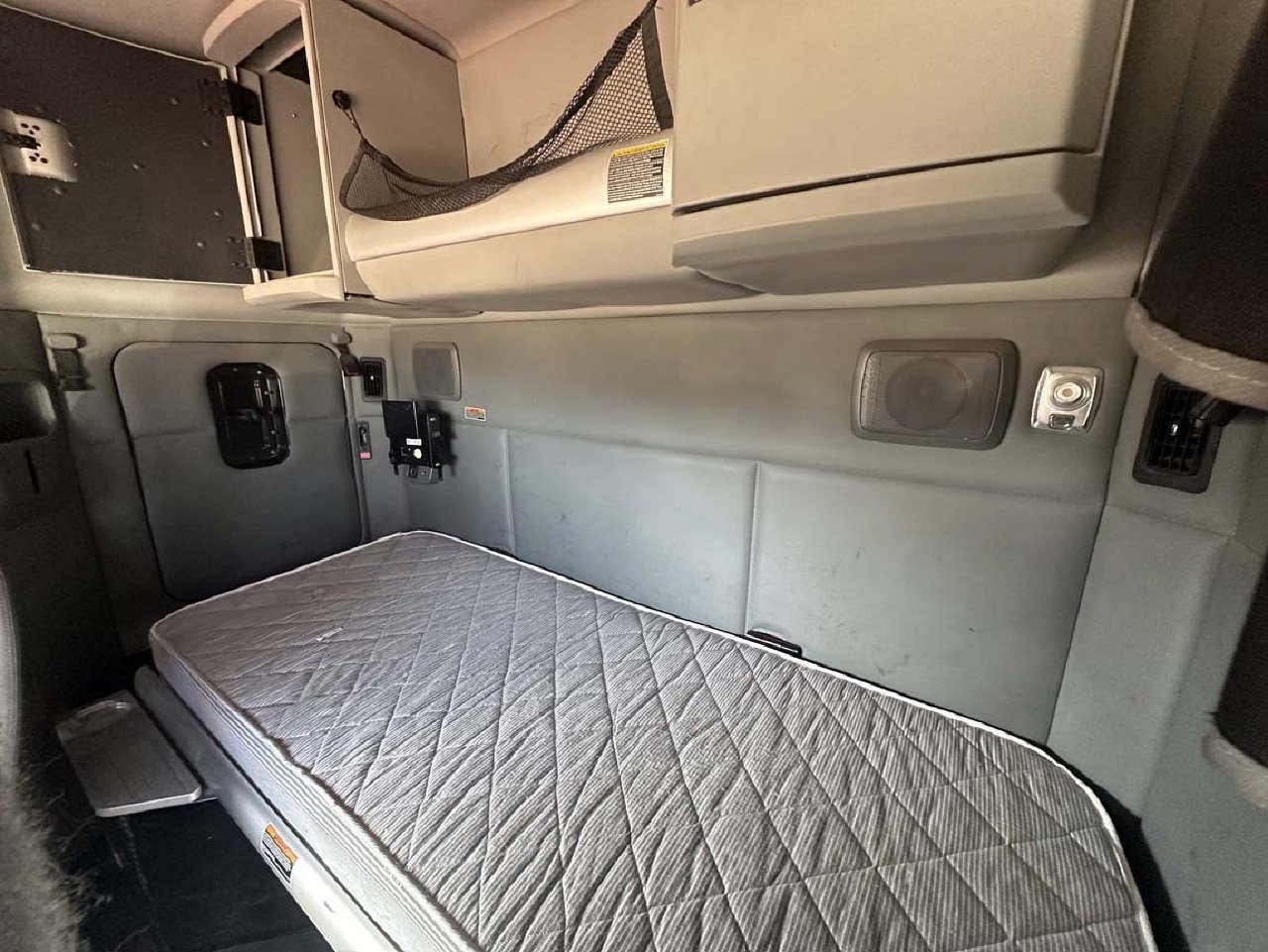
The wide cab allows for good seat separation, so there's a 21-inch wide pass through to the sleeper. It's full standing height all the way, with no obstruction for the feet at the sleeper.

The comfort in the sleeper matches the cab both in appearance and functionality, with the wood trim repeating on the upper and lower cabinets and the practical upper bunk which has an elegant footrest to aid the climb up. The upper storage at the sides is complete.

Most outstanding is the lighting in both cab and sleeper, with general lighting and well-placed directional lights for reading and relaxing.

The interior is bright, with two large opening windows allowing for ventilation. Some drivers don't care for sleeper windows, but I find them a big safety plus when pulling up at an angled intersection or backing on the blind side.

I had no time to really contemplate the new cabinets, but with the overall mechanical noise so low it was nice to find the interior free of any rattles or squeaks. I did appreciate that the lower bunk lifts to reveal the two baggage compartments and a central storage area.

On The Road

Pulling away from the engine plant in Melrose Park, I realized the truck was loaded, but I was assuming it was the normal 65,000 pounds or so. I was quite surprised to learn the actual gross was close to 78,000, as the 13-liter picked it up well.

Helping enormously was the marvelous throttle modulation that has been built into the engine controller. The engine rpms decay very quickly as you back off the throttle so upward shifts can be snapped through, helping enormously getting the truck under way. In the low side of the transmission, it just needs a tickle of the throttle before the next gear goes through like the proverbial knife through butter. That gearshift lever may look convoluted, but the shift is a straight as an arrow. The ability to pick up shifts quickly and surely means good progress up through the gears with the minimum of fuel used. Likely this will work very well with a 10-speed Eaton UltraShift Plus — a case of one + plus one + making more than two.

Into the higher gears, though, you have to use the governor. Not out to the full governed rpm — I don't think I went over 1500 rpm except by mistake because the engine is so quiet. But you have to give these big-bore MaxxForce engines full pedal if you want the full power and performance. For me, it seemed a little odd to give so much throttle for small grades, but that is the programming dialed in to the foot feed. Again, it is part of the fuel economy strategy, but it will take driver training to avoid getting complaints of low power.

When the full travel was used, the truck performed as you would expect from 475 horsepower and 1,700 pounds-feet of torque. If fact, I would give it a run against an 1,850 engine, even though the on-paper peak is only 1,700. That combination of low-speed pulling power and the good match with the 10-speed make the ProStar+ and 13-liter MaxxForce a formidable combination.

The quiet in the cab is unbelievable. With such a short drive available I had not taken the sound meter along, but we have already recorded industry-leading levels of sound insulation and combustion quietness in the ProStar cab. The latest 13-liter continues in this tradition with amazingly restful cruise noise levels that hardly — if at all — rise with increasing throttle. If anything, levels remain the same with just a deepening quality to the sound.

However, because the truck is so quiet, it may cause drivers to imaging the engine is not working as hard. Another reason, then, for driver orientation when placing ProStar+ into the fleet.

Conclusion

The ProStar+ has been late coming to the 2011 model year with the MaxxForce engines in the trim necessary for the new emissions regulations. This has left some fleets frustrated.

However, early reports are of good fuel consumption comparable with the gains offered by the SCR engines, especially when the additional costs of DEF are factored in for those engines.

The elimination of the need for additional driver training and the requirement for them to add the DEF when fueling counts in the ProStar+'s favor. And the reduced weight on the tractor and the tractor steering axle are strong points at a time when truck weights are becoming an issue even in the truckload community.

Ever since the ProStar bowed in at the 2006 Mid-America Trucking Show, we have been strong boosters for the pretty, modern heavyweight. But here comes the lightweight, as a result of Navistar's commitment to the 13-liter as the engine of choice in the heavy-duty marketplace.

The engine would certainly appear to have the muscle to get the job done. And when user experience word gets out about real-world fuel economy, then the 13-liter argument may prove too strong to ignore.


Cooling Key To EGR

While the new generation Advanced EGR requires additional cooling, Navistar says the ProStar+ has it well in hand, not only for the 13-liter, but also for the 15-liter.

We're experts in cooling. It's not that we wanted to become experts, but that is what it has taken,” said Ramin Younessi, Navistar's vice president of powertrain and strategy. He was talking of the development of the cooling systems to support the 12.4-liter MaxxForce 13 just coming into the marketplace, and the MaxxForce 15, which was scheduled to enter limited production last month.

The result is a cooling system that is both remarkable and not significantly different from competitors', except in performance. The major achievement is a package that fits within the current hood, frame and fenders and uses the same grille opening as the previous generation of heavy-duty 11- and 13-liter MaxxForce engines.

Younessi said one of the contributing factors is that, contrary to conventional wisdom, the Advanced Exhaust Gas Recirculation Navistar is using to meet EPA's 2010 emissions regulations actually does not flow significantly more EGR, so there's not so much more exhaust to cool on its way back from the exhaust and into the intake manifold. There is some, but the slick part of the cooling package is the design of the radiator surface area for heat transfer.

"The ProStar+ cooling system uses high-performance cores that have low air-side restriction to increase air flow through the core, and a unique tube design that maximizes heat transfer from the coolant,” said Younessi in an interview. “The fin geometry was selected to balance the need for air flow through the module versus the overall effectiveness of the cores.

"Dimpled tubes are used to increase coolant turbulation at lower water flow rates to ensure that the cooling performance is acceptable across the entire speed range of the engine. A low-temperature circuit is used to improve the efficiency of the high-pressure turbo by cooling the low-pressure turbo-out gas."

Low Temp

There is some complexity from the cooling of the air between the series turbos. “The low-temperature circuit is also used to provide additional cooling to the EGR system, which is a vital part of the emissions recipe,” he said. “The configuration of the cooling module is optimized to provide the required low-temperature coolant required by the EGR strategy. The three-pass low-temperature radiator is positioned so that the final pass is cooled with lower-temperature air, which is a necessity to meet the stringent emissions requirements."

Part of the package is an electronically controlled viscous fan drive in order to meet the air-flow demands of the cooling module. The fan position relative to the engine-mounted fan ring is optimized to provide the highest possible efficiency in order to provide the highest air flow through the core at the lowest possible power consumption, Younessi explained.

The fan is gear-driven, which reduces belt load, and, because the drive is a variable-speed device, it allows the delivery of the right amount of air at the right time to meet the cooling demands of either the water-side load, air-side load or the air-conditioning load.

As a bonus, the variable-speed feature allows the engine controller to improve fuel economy by delivering only the required amount of air to meet the various demands for cooling.

Nitrite-free ELC

The choice of coolant is also part of the overall performance. It is not the non-aqueous type that was rumored, but a regular, premium Shell product.

"Shell Rotella Ultra ELC coolant is nitrite-free,” said Younessi. “Navistar and Shell have been monitoring the performance of extended-life coolants across many different engine manufacturers and vehicle applications."

Navistar believes Shell Rotella Ultra ELC provides better coolant performance by eliminating nitrite depletion and ammonia formation. "Nitrites in atypical extended-life coolant deplete over time and must be replenished at regular service intervals. The formulation of Ultra contains a third organic additive that provides as much protection as nitrites, and remains stable throughout its useful life."

According to Younessi, other benefits of this coolant are:

  • Enhanced corrosion protection for aluminum components in the cooling system;
  • Service life of 600,000 miles or 12,000 hours without the need for an extender additive;
  • The same cooling and antifreeze performance as today's coolant; and
  • Backwards compatibility for all cooling systems with OAT (organic additive technology) coolants.


For more information on the ProStar, visit out ProStar page or contact one of our salesmen at a WATERS location nearest to you.
 

Heavy Duty Trucking Magazine

Facebook Twitter

Skip Navigation LinksProducts

PRODUCTS
WATERS has a wide array of products for sale and our staff is eager to serve you, our Customer.

Please click on a link below to view additional details of a specific product.